Gum Disease: What You Should Know
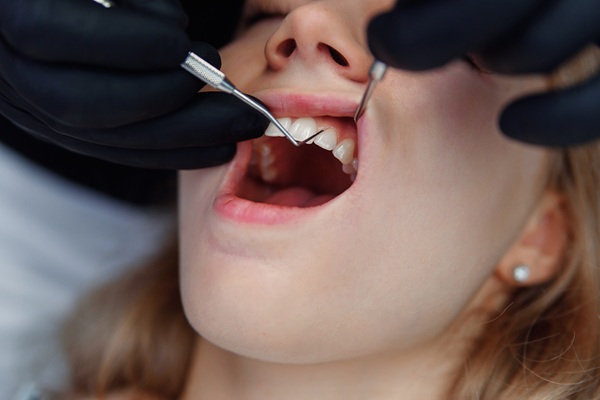
Gum disease, also known as periodontal disease, poses a critical threat to your oral health when it is left untreated. While this oral health condition may seem mild, it can progress rapidly. Not only can gum disease affect your oral health, it can impact your overall health and quality of life. Understanding the consequences of gum disease and recognizing the importance of early prevention and treatment can help you maintain your smile and overall well-being.
Gingivitis: how gum disease begins
Gum disease starts with plaque buildup on the teeth. This sticky layer, made of bacteria from food and acid in your mouth, can harden into tartar if people do not remove it with daily brushing and regular dental cleanings. In the earliest stage of gum disease, also known as gingivitis, symptoms may include:
- Swollen or puffy gums
- Bright red or dark red gums, or gums that appear darker than usual
- Gums that bleed easily when brushing or flossing
- Tender gum tissue
- Chronic bad breath (halitosis)
At this point, the individual can reverse the effects of gum disease with a robust oral hygiene routine and professional dental treatment.
The progression to periodontitis
Gingivitis is treatable. However, when an individual ignores the symptoms, the gum disease can progress to periodontitis. This stage of gum disease is significantly more dangerous to the patient's oral and overall health. The inflammation spreads beneath the gum line, damaging the connective tissue and bone that support the teeth.
Pockets form between the gums and teeth, which collect bacteria and food debris, leading to further complications. Periodontitis often causes persistent bad breath, gum recession, and tooth mobility. Eventually, without treatment, the patient's teeth may begin to loosen and fall out.
How gum disease affects overall health
Gum disease does more than affect one's oral health. Untreated gum disease has been linked to several systemic health issues. Over the years, multiple research studies have found a strong association between periodontal disease and worsening chronic conditions, such as:
- Cardiovascular disease
- Diabetes
- Respiratory infections
- Adverse pregnancy outcomes
- Alzheimer's disease
The chronic inflammation and bacterial presence involved in gum disease can enter the bloodstream, contributing to complications in distant parts of the body. For individuals with pre-existing health conditions, untreated gum disease may exacerbate their symptoms and impede how they manage their disease.
Gum disease and how it impacts everyday life
The danger of gum disease also affects mental health and quality of life. Tooth loss and chronic oral pain can affect a person's speech, nutrition, self-esteem, and personal relationships. Deteriorating oral health can have a significant psychological impact, especially for older adults who often struggle with limited mobility, independence, and self-confidence.
Prevention and treatment
Prevention and early detection remain the most effective strategies against gum disease. Regular dental visits, professional deep cleanings, and consistent oral hygiene practices can identify signs of gum disease before it progresses. The dentist may recommend deep cleaning procedures such as scaling and root planing, along with antibacterial treatments, to manage and reverse early signs of gum disease. In advanced cases, the patient may undergo surgical procedures to restore their oral health and overall quality of life.
Call our office to schedule an appointment
When left untreated, gum disease can significantly impact your oral and overall health. Fortunately, Cholla Family Dentistry offers gum disease treatment in the Scottsdale area, helping to restore the health of your smile. Call our office to learn more about our services or to schedule your next appointment.
Request an appointment here: https://chollafamilydentistry.com or call Cholla Family Dentistry at (480) 359-3513 for an appointment in our Scottsdale office.
Check out what others are saying about our dental services on Yelp: Gum Disease in Scottsdale, AZ.
Related Posts
Dental implants can replace missing teeth, but the surrounding tissues still require daily care and professional monitoring. Gum disease around implants (peri-implantitis) can begin with inflammation in the soft tissue and may progress to bone loss if it worsens. Recognizing the signs and seeing a dentist early on can make treatment easier.Routine implant maintenance may…
An emergency dentist can provide urgent care when an accident causes a tooth to loosen, shift, or come completely out of its socket. A dislodged tooth needs prompt attention because prompt treatment may improve the chance of saving the natural tooth and limit the impact on the gums, jawbone, nearby teeth, and nerves. Our dentist,…
A root canal is a standard way to save a tooth from severe damage or infection. However, you may have questions or concerns about the recovery process once you get home and the local anesthetic wears off. Here are five common concerns that patients have after a root canal.Mild to moderate discomfort is a common…
Whether you are scheduled for a dental procedure that requires sedation dentistry or are simply interested in learning more about it before your consultation visit, understanding what sedation dentistry is and the different types that are available is helpful. In essence, sedation dentistry is a way to minimize discomfort and help the patient relax during…